How to tell if two suppliers share the same industrial park
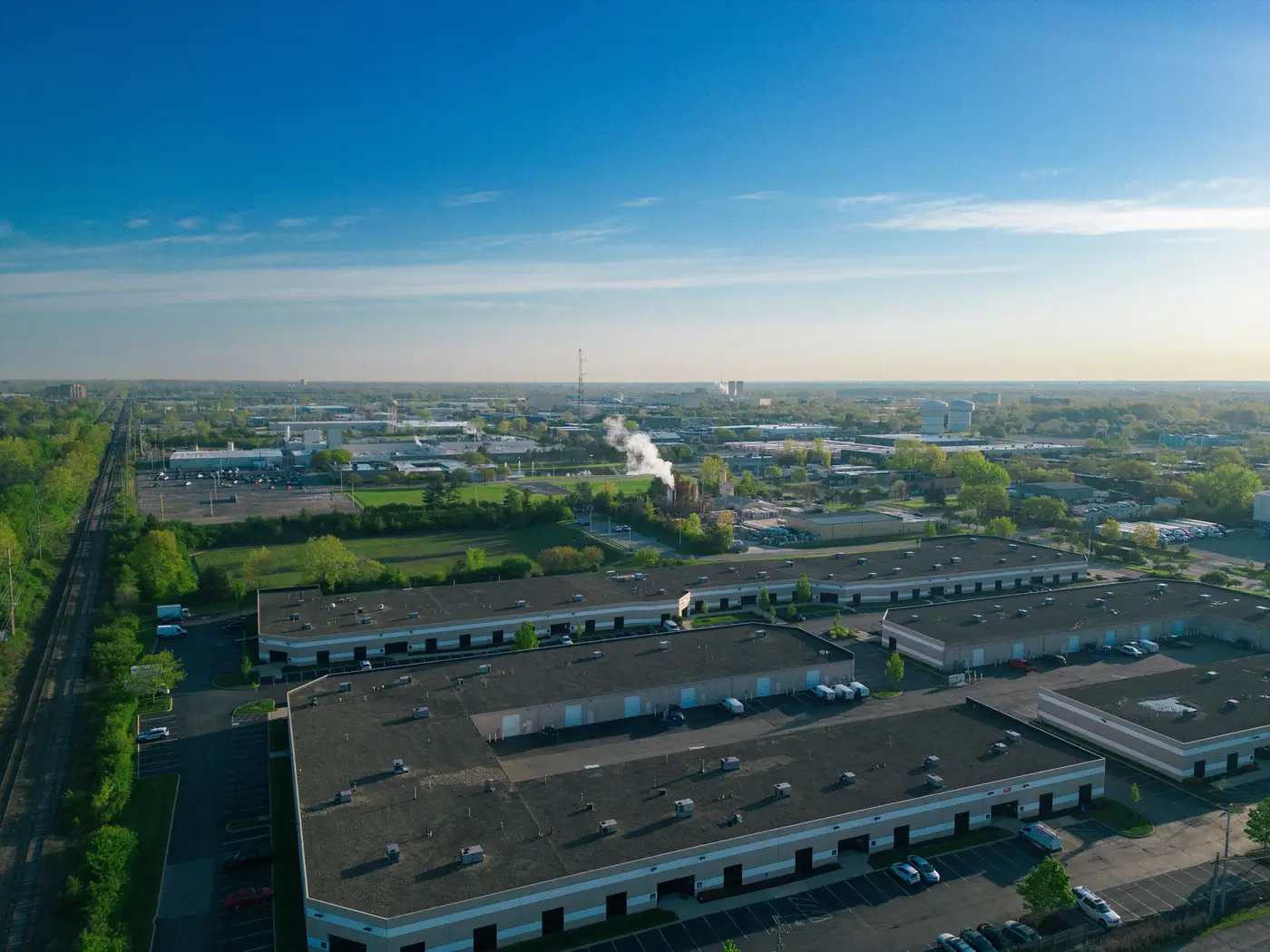
Two vendors on your approved supplier list. Different names, different contacts, different invoices. Then someone on the team mentions they drove past both last month and they're in the same compound, maybe even the same building with two front doors.
This comes up more than it should, and it usually surfaces late: during a supplier audit, after a fire at a facility you'd never heard of, or when a customer asks for your tier-two mapping and you realize you can't answer the question.
Start with the address, not the company name
Pull the registered address for each supplier from your vendor master or your onboarding paperwork. Then check what that address is. A lot of registered addresses are company formation agents, accountants, or a parent holding company's head office, not the plant. That tells you about ownership structure, not geography.
What you want is the site address: the place where goods are made, assembled, or stored. Ask the supplier directly if your records don't separate the two. Some will give you a street number that turns out to belong to a multi-tenant industrial estate with forty other units in it.
Why postcode matching misses the point
Matching on postcode or even full street address catches the obvious cases, two suppliers filed under the literal same address string. It misses the more common version: Supplier A is at 12 Riverside Park and Supplier B is at 18 Riverside Park, and nobody flagged it because the strings don't match.
This is where it helps to stop thinking in addresses and start thinking in parcels of land. An industrial park is a physical footprint with a fence line, a shared access road, often a shared water main or substation. Two suppliers with different unit numbers inside that fence line are exposed to the same flood risk, the same access road closure, the same regional power outage, the same labor pool. The address field in your ERP doesn't encode any of that.
Confirming overlap with imagery instead of guesswork
Once you have a shortlist of suppliers whose addresses look close, satellite imagery is the fastest way to confirm whether they sit on the same parcel or just stand near each other on different sides of a highway. You're looking for the same roofline, the same loading dock arrangement, the same security perimeter. A pair of suppliers that looked like separate sites on paper sometimes turns out to be two production lines under one roof with two different company names on the lease.
This is slow to do manually across a long supplier list. Cross-referencing dozens of addresses against satellite views one at a time, trying to spot the industrial park nobody flagged, is exactly the kind of task that eats a category manager's week without producing a tidy answer at the end of it.
What this tells you once you've confirmed it
Confirming that two suppliers share a site answers one question. The concentration question is a separate one: what share of your category spend runs through that one park, that one road, that one flood zone. A single shared industrial park carrying two percent of your category spend is a footnote. The same park carrying forty percent because three of your "diversified" vendors turned out to be neighbors is a different conversation with procurement leadership.
That's the piece worth checking once a year rather than once in a crisis. Sourcing Concentration plots your category spend against supplier site geography and ranks the clusters it finds, so the park carrying a third of your spend shows up before an auditor or an insurer points it out for you.
If your supplier list has grown past the point where you can eyeball the addresses, it's worth running it against an actual map instead of a spreadsheet.