How far apart do two suppliers need to be to count as diversified?
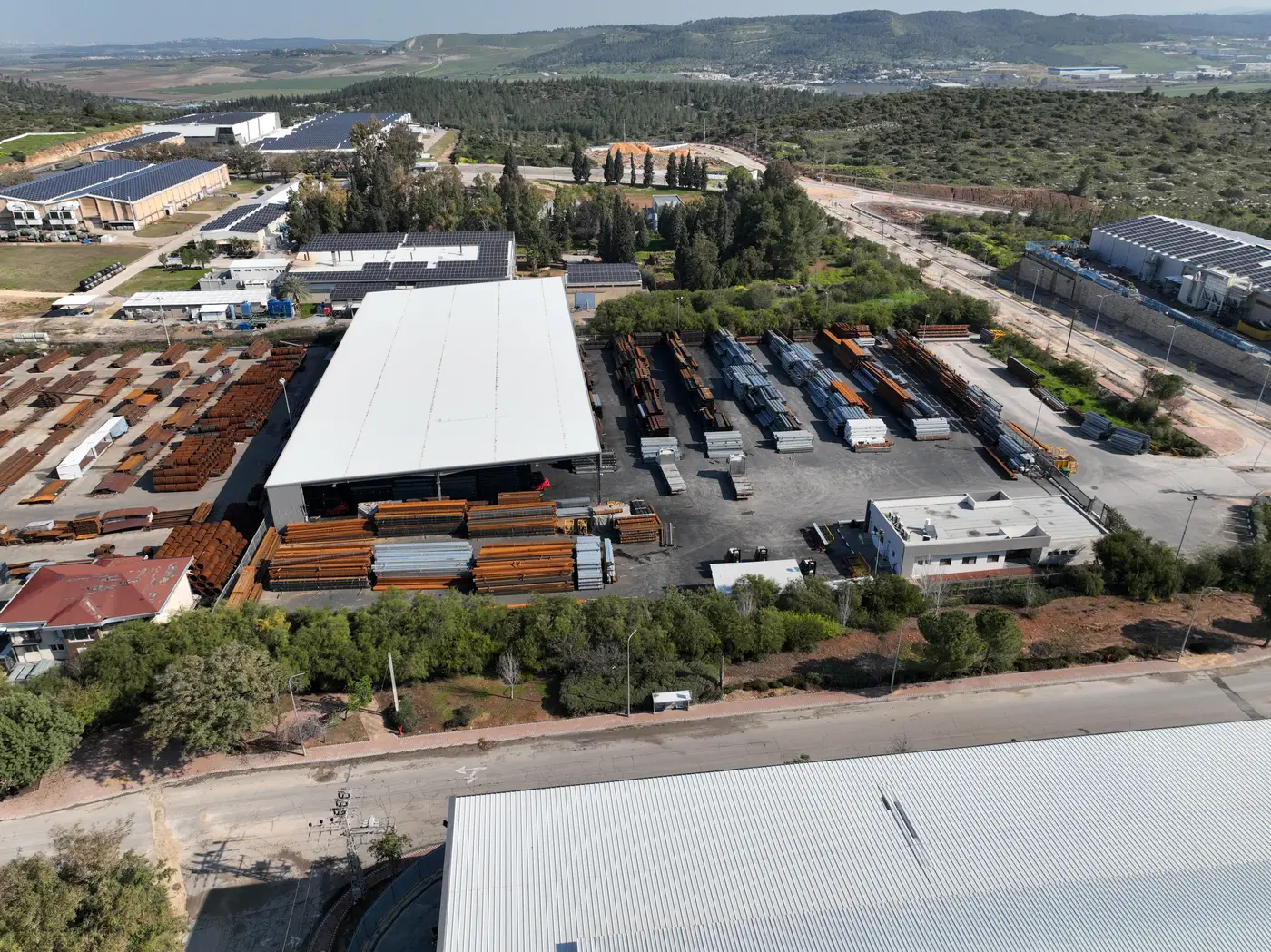
Two "backup" suppliers for a critical casting, three units apart on the same industrial estate, sharing one substation and one access road off the motorway. Same flood warning zone too. On paper, two companies with two names and two contracts. In practice, one burst water main takes out both at once.
That's the problem buried inside "how far apart do two suppliers need to be before you can call them diversified": there's no kilometer figure that settles it. A fixed minimum distance between backup suppliers sounds like a tidy rule you could write into a sourcing policy, but it breaks the moment you apply it. Two suppliers 200 km apart can still share the same river catchment, the same grid operator, or the same port of export. Two suppliers 2 km apart, on opposite sides of a ridge and fed by separate water mains, might barely share a weather system.
Why a kilometer number doesn't answer the question
Distance is a proxy for the thing you care about: correlated failure. A flood doesn't respect a radius you picked in a spreadsheet. A dock strike at one port can stall every supplier that ships through it, regardless of how far apart their factories sit. A regional power outage takes out everyone on that substation's loop, regardless of the distance between their front doors.
So instead of asking how many kilometers is enough, ask what shared exposure the two suppliers have:
- Same flood plain or drainage basin
- Same power substation or grid segment
- Same port catchment for inbound raw material or outbound shipment
- Same single road or rail line as the only way in or out of the site
- Same seismic zone, where that's live for the category
Share any one of these and the distance between the two sites is close to irrelevant. Share none of them, and even a fairly modest separation can count as real diversification.
Same industrial park, different vendor name
The version of this that catches category teams out most isn't a distance problem at all. It's two legally separate companies, two different names on the purchase order, operating out of units on the same industrial park, sometimes in the same building with different front doors. Procurement sees two supplier codes and two addresses and ticks the diversification box. Nobody walked the site or looked at where it sits on the ground relative to the other one.
That clustering can be an entirely ordinary outcome of how the economics work, where a handful of contract manufacturers sit near the same port or the same raw material source for good commercial reasons. A vendor list sorted by name and address text won't surface it on its own, which is exactly why it goes unnoticed for years.
Checking for it by hand means pulling every supplier address in a category, plotting each one, and eyeballing which pins sit close enough to share a hazard. That's manageable for a dozen suppliers. It stops being manageable well before the fiftieth, and most category spend runs a long way past that.
This is the gap Sourcing Concentration was built around: a once-a-year pass over your category spend plotted against the physical geography of your suppliers, built to surface the industrial park or flood plain where more of your spend sits than anyone had clocked, with a ranked list of the clusters behind it.
If two suppliers share a substation or a flood line, the kilometers between them stop being the question worth asking. See where your own category clusters before the next disruption finds it for you.