Field notes: the shortlist that all pointed back to the same industrial corridor
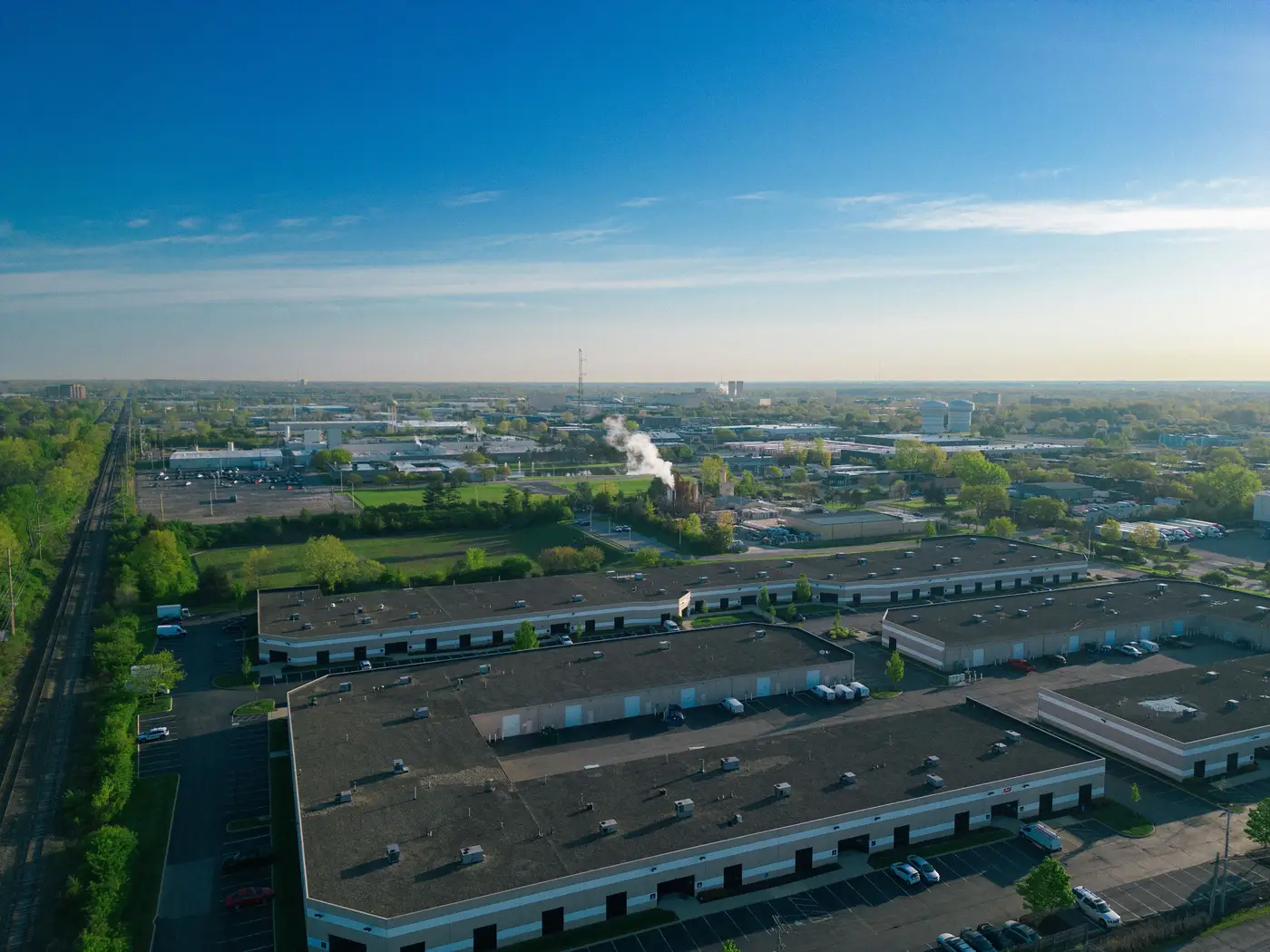
A colleague sent me her shortlist last month, six connector suppliers, all qualified, all within spec, all priced within a few points of each other. Standard pre-award review. I pulled up the addresses out of habit more than anything, because after enough years of this work you start to notice when a list feels too tidy.
Four of the six shared a postcode prefix. The fifth was eleven kilometers away, across a river that one bridge crosses. The sixth was the outlier, two hours north, and it turned out to be a trading company that subcontracted back to the same cluster anyway.
None of this showed up in the qualification scorecard. Scorecards track price, lead time, quality history, financial health. They don't ask where a plant sits relative to the plant next door, because that question doesn't fit in a column. You'd need to open six separate address fields, paste them into a map one at a time, and squint at how close the pins land.
Most people don't do that extra step. I usually don't either. This time I did, mostly out of boredom on a slow Friday, and found a shortlist that looked diversified on paper and was in practice a single industrial park with six gates.
This isn't a rare find once you start looking for it. Component manufacturing tends to cluster for reasons that have nothing to do with your sourcing strategy: a shared labor pool, a tooling supplier three streets over, a logistics hub that makes outbound freight cheap for everyone in a five-kilometer radius. The clustering that made the region attractive to set up shop in the first place is the same clustering that turns your "diversified" panel into one roof, one grid connection, one access road, and sometimes one flood-prone drainage basin feeding the whole plain.
The part that gets me is how reasonable each individual decision looks. Qualifying supplier five made sense, good audit, clean references. Qualifying supplier six made sense too, it's a different legal entity with a different name on the invoice. Nobody on the sourcing team set out to concentrate risk.
The concentration happened as a side effect of everyone running the same qualification process against the same regional supply base, which is exactly how these things usually happen. Nobody chooses it. It accumulates.
What changed for me on that Friday wasn't the discovery that clustering exists, every category manager who's been through a single-region outage already knows that in their bones. What changed was realizing how much of the work of finding it is just slow, manual, and easy to skip under deadline. You're cross-referencing a vendor list against a map by hand, pin by pin, hoping you notice the pattern before the storm season or the next regional power cut does it for you. A concentration map built from supplier geography instead of a spreadsheet of addresses turns that into something you can check in minutes instead of something you only do when you happen to be bored on a Friday.
I still don't know what my colleague did with the finding. Probably added a seventh supplier from somewhere else on the map, which is the normal fix once you can see the problem. The harder part was ever seeing it. A shortlist that's six names deep and qualified on every line item can still be one bad week away from a single point of failure, and the spreadsheet will never be the thing that tells you that.
If your next shortlist review deserves the same half hour I spent on that one, you know where to start.